Why Art Education?
Why ART?
Art is the human way of making meaning. It is how we express what we feel, see, imagine, or struggle to understand — using color, sound, movement, words, or form. Art translates experiences that cannot be explained through logic alone; it connects our inner world with the outer world. Whether through a child’s drawing, a traditional folk song, a mural on a village wall, or a digital animation, art invites us to observe, reflect, question, and feel. It shapes culture, builds identity, and opens pathways to empathy, creativity, and discovery — making life richer and more human. Art is also what sets humans apart from all other species; no other animal creates art for joy, meaning, or communication in the way we do. It is the deepest expression of our humanity.
Why Art Education?
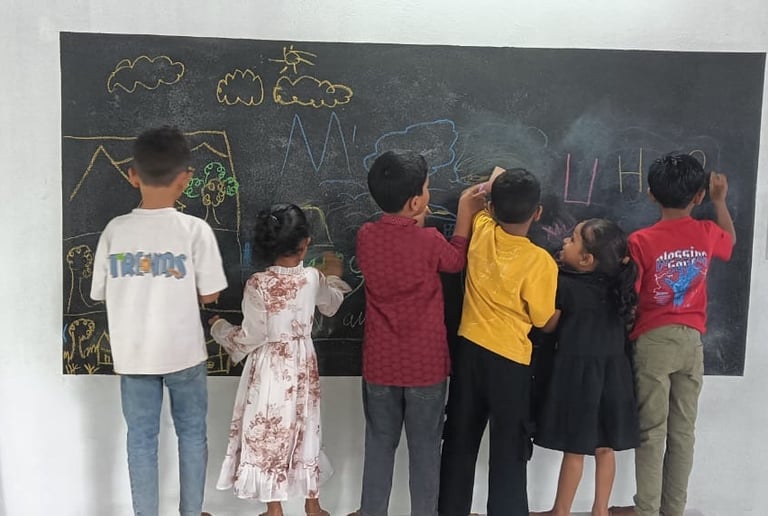
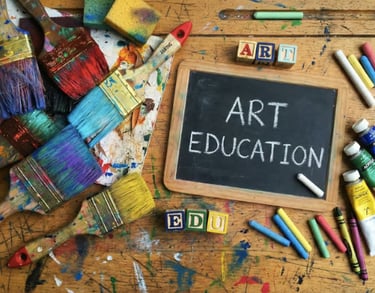
Art in education matters because it helps children think, feel, and understand the world in deeper, more human ways. Through drawing, music, movement, and storytelling, students learn to observe, imagine, solve problems, and express themselves with confidence, learn to be patient, there is a processing time. Art nurtures emotional balance, cultural identity, inclusiveness and creativity — qualities that traditional academics alone cannot offer. In today’s world, where excessive screen time is causing insecurity, impatience, and even depression among children, art becomes a powerful antidote. It brings children back to their senses, back to hands-on creation, and back to themselves. When art becomes part of learning, education turns joyful, meaningful, and connected to real life, helping young people think beyond the obvious, find their own solutions, and live with passion, purpose, and well-being.
What happens if there is NO ART in education?
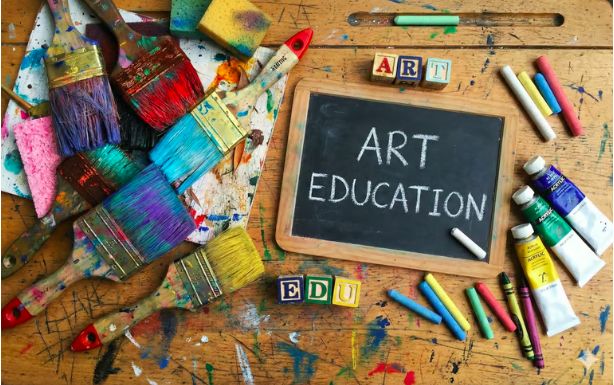
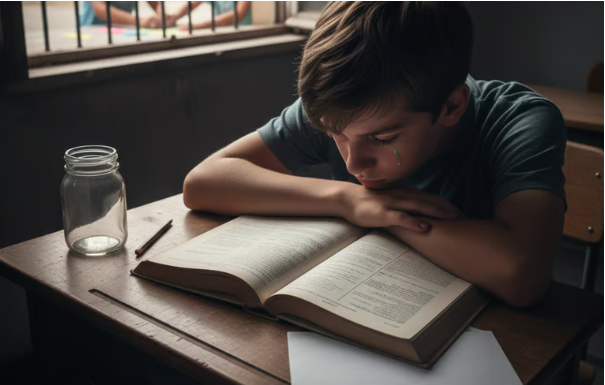
When there is no art in education, learning becomes mechanical, narrow, and disconnected from human experience. Without opportunities to draw, sing, imagine, create, or express, children lose essential pathways for emotional expression, cultural identity, and creative thinking. They may learn to memorize information, but struggle to understand themselves, communicate their feelings, or think beyond fixed answers. A system without art produces technically skilled individuals but emotionally fragile, less innovative, and less empathetic humans — missing the balance that makes education truly complete.
Contact
Reach out for support or questions
Phone
+1 415 690 6675
© 2025. All rights reserved.
News letter/ contact